
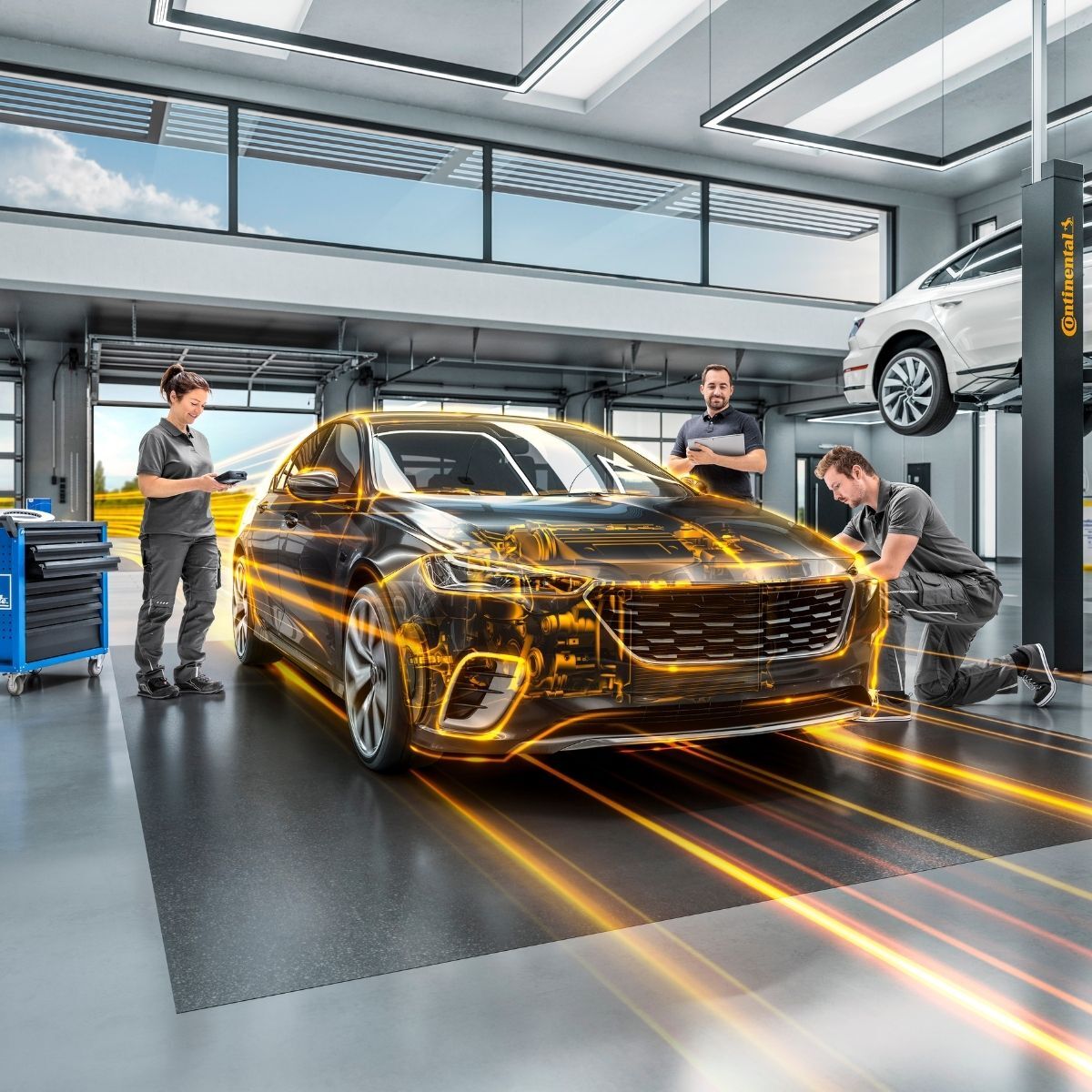


The associated information must also be complete, comprehensible and tailored to the target market.
Large automotive manufacturers usually have established processes, systems and specifications. Documentation is produced, depending on the organisation, according to technical modules, components or model series.
For start-ups and new vehicle manufacturers, the work begins at an earlier stage. First, we establish what user and service information is required for the vehicle, the target markets and the planned launch. Based on this, we develop a documentation concept that can evolve with the product while taking all relevant regulatory requirements into account.
In railway technology, too, the specific project defines the framework. The train is considered as a complete system. At the same time, the installed components, the documentation of the selected suppliers and the requirements of the respective market must be brought together.
Whether we are working with a new supplier or a long-established manufacturer, our job is always to fit reliably into your way of working and to ensure the required quality across variants and releases. Our experience ranges from vehicles with combustion and electric drives to new mobility concepts and rail vehicles.
There is no single documentation model for the mobility sector. What matters are the product, organisation, target market and existing processes. We adapt to established requirements or work with you to create a new foundation. This results in documentation that matches your vehicle and your route into the market.

We structure content so that equipment, model series and customer-specific configurations can be clearly represented. This reduces duplicate work and prevents contradictory information.

New components, software versions and technical changes must be reflected in the relevant information. Clear responsibilities and regulated approvals ensure that content remains up to date.

Information from different companies and specialist departments is reviewed, standardised and mapped to the appropriate configuration. This creates a coherent and usable information base from a wide range of sources.

We tailor maintenance, diagnostics and repair information to specific tasks and the users’ level of expertise. This makes the work easier and helps to reduce downtime.

"Overall, the workshop was very good, and we were very impressed by Mr Rechtien's expertise. We took away a lot of homework and will now implement it step by step. With that in mind: Thank you very much for the high-quality training!"
Technical Communication
Messring GmbH
That depends on the vehicle, the target market and the planned sales model. At the start, it must be assessed which user, service and product-related information are required and what evidence is needed as part of approval or type approval. Equally important are target groups, languages, delivery formats and internal responsibilities. Especially for start-ups, documentation therefore should not begin shortly before market launch. It must be developed in parallel with product development and reliably updated when changes occur.
Yes. Together we define which document types are needed, how product knowledge reaches the technical writing team and who reviews and approves content. We also clarify whether the information should be organised by components, technical platforms, model ranges or another product logic. The concept must fit the current vehicle, but it should also be able to accommodate further variants and models. In this way, no one-off solution is created that has to be rebuilt from scratch for the next vehicle.
Large manufacturers generally have their own systems, processes, terminology and quality requirements. Our technical writers familiarise themselves with this environment and take on clearly defined tasks. Depending on the company, content is organised, for example, by technical platforms, components or model ranges. The decisive factor is that new content fits the existing stock both technically and formally, and that all review and approval steps are adhered to.
There should be no need to maintain a separate document for every vehicle, regardless of its series, equipment variant or country-specific version. Shared content can be reused and assigned to the appropriate configurations via clear validity conditions. Which approach is suitable depends on the product model and the existing workflow. Some companies organise their information by technical components or modular systems, while others structure it mainly by model series. What matters is that suitable information can be generated for every delivered configuration.
A vehicle cannot automatically be supplied with the same documentation in every market. Among other things, regulatory requirements, approval conditions, languages, safety information and specifications for provision must be checked. Equipment and technical configuration can also differ depending on the market. Documentation should therefore be integrated into market-entry planning from the outset. Which requirements specifically apply should be assessed for the respective vehicle and target country by subject matter experts.
Many basic principles of technical writing are the same. However, the technical content and safety issues differ. For electric and solar vehicles, for example, high-voltage systems, energy storage, charging processes and special instructions for maintenance, recovery or decommissioning move more into focus. New drive concepts can also include functions for which the company does not yet have tried-and-tested documentation patterns. In this case, structure and presentation must be developed jointly with engineering, product safety and service.
In railway engineering, the specific vehicle is described as an overall system. To achieve this, the documentation of the actually selected and installed components must be consolidated. First, it must be assessed which information is required from the suppliers and how it is assigned to the vehicle. Afterwards, formats, terms, validity periods and quality levels are harmonised. Any changes made to a component must later also be traceably incorporated into the documentation of the affected vehicle.
Rail vehicles can also have variants. However, the logic often differs from that of automotive engineering. The focus is usually on the specific vehicle or a vehicle platform with the equipment actually installed. Content can be reused for additional trains when components and functions match. Before any reuse, however, it must be evaluated which supplier parts, systems, operating conditions and market requirements apply to the new project.
The target market influences the vehicle’s approval, operation and maintenance – and therefore the technical information required. In addition to European and national provisions, requirements from the operator, the infrastructure and the specific project may be added. Therefore, it should be determined early on where and under which conditions the vehicle will be used. The documentation must therefore accurately reflect the selected configuration and the applicable requirements in a clear and traceable manner.
We will get back to you as soon as possible.